Download our Apps and get extra 15% Discount on your first Order…!


© 2024 All rights reserved Ayurillam.
Download our Apps and get extra 15% Discount on your first Order…!

A Practitioner’s Perspective on Deep Ayurvedic Detox
Over the years, I’ve met many patients who arrive with a similar story. They are somewhat ill, and they don't feel well. Digestion feels heavy. Sleep is disturbed. Skin problems keep returning. Stress lingers in the background like a constant hum.
In Ayurveda, we don’t see these as isolated complaints. We see them as signs that the body is overloaded with toxins (ama) and that the doshas—vata, pitta, and kapha—have moved out of balance.
When simple herbal medicines and diet corrections are not enough, we turn to something deeper: Panchakarma .
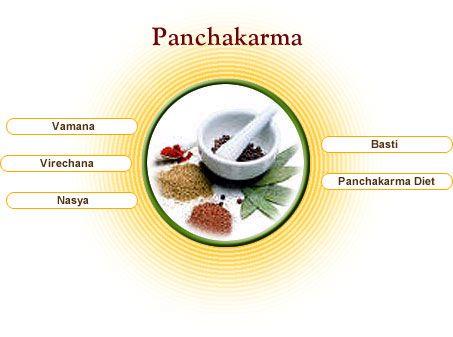
The word “Panchakarma” literally means “five actions.”. These five classical detoxification therapies are described in ancient Ayurvedic texts such as the Charaka Samhita and Ashtanga Hridaya . They are not spa treatments. They are structured medical procedures designed to eliminate toxins from the body and restore internal harmony.
Let us explore each of the five treatments in a practical, experience-based way.
1. Vamana
What Is Vamana?
Vamana is a controlled, therapeutic vomiting procedure used to eliminate excess Kapha dosha from the body. Kapha governs structure, lubrication, and mucus. When aggravated, it creates heaviness, congestion, and sluggish metabolism.
When Is It Recommended?
I typically recommend Vamana for:
Chronic sinusitis
Recurrent colds
Asthma
Bronchitis
Certain skin disorders
Obesity linked to Kapha imbalance
How It Is Performed
The patient undergoes internal oleation for several days, consuming medicated ghee. This loosens toxins and brings them into the digestive tract. On the treatment day, herbal decoctions are given to induce controlled vomiting in a supervised setting.
The process is timed and monitored carefully. It is not forceful or chaotic.
Real-Life Insight
One patient with long-standing sinus blockage told me after Vamana, “It feels like someone removed a heavy blanket from my head.” That lightness is common when Kapha clears properly.
Benefits
Clears respiratory passages
Improves appetite
Boosts metabolism
Reduces allergies
Promotes mental clarity
Precautions
Not suitable for elderly or very weak patients
Avoid during pregnancy
Must be done only in a clinical environment
2. Virechana
What Is Virechana?
Virechana is a controlled purgation therapy aimed at eliminating excess Pitta dosha through the intestines. Pitta governs heat, metabolism, and transformation. When aggravated, it produces inflammation and acidity.
Conditions It Helps With
Acne and psoriasis
Hyperacidity
Liver disorders
Migraine
Chronic inflammatory conditions
The Procedure
After preparation through ghee intake and sweating therapies, herbal purgatives are administered. These induce multiple bowel movements, eliminating toxins primarily associated with Pitta.
A Clinical Example
A young man struggling with severe acne and constant acidity underwent Virechana. Within weeks, his skin calmed significantly. His digestion also stabilised. The improvement came not from surface creams but from internal cleansing.
Benefits
Detoxifies liver and intestines
Clears skin
Reduces body heat
Improves digestion
Enhances emotional balance
Precautions
Not suitable for dehydrated patients
Requires a strict post-treatment diet
Must be personalised
3. Basti
Among all five therapies, Basti is considered the most powerful. Many classical texts describe it as the primary treatment for Vata disorders.
What Is Basti?
Basti is a medicated enema therapy used to balance Vata dosha, which governs movement, nerve impulses, and circulation.
Most chronic diseases involve Vata imbalance, especially as we age.
Conditions Treated
Arthritis
Joint stiffness
Sciatica
Constipation
Anxiety
Neurological disorders
Types of Basti
1. Anuvasana Basti – Oil-based
2. Niruha Basti – Herbal decoction-based
These are administered in specific sequences depending on the condition.
A Memorable Case
An elderly gentleman with knee pain struggled to climb stairs. After a properly structured Basti course, his mobility improved steadily. He regained confidence—not just comfort.
Benefits
Lubricates joints
Strengthens the nervous system
Improves digestion
Enhances vitality
Supports anti-ageing
Precautions
Should only be done by trained practitioners
Not advised during acute infections
Diet and rest are essential.
4. Nasya
Ayurveda describes the nose as the gateway to the brain. Nasya focuses on cleansing and nourishing the head region.
What Is Nasya?
Nasya involves administering medicated oils or herbal extracts through the nasal passages.
When Do I Recommend It?
Chronic sinusitis
Frequent headaches
Hair fall
Cervical stiffness
Insomnia
Stress-related tension
The Procedure
After a gentle facial massage and mild steam, medicated oil drops are instilled into each nostril. The patient rests while the medicine penetrates deeper tissues.
Patient Experience
Many patients report improved clarity of thought after Nasya. Some say their concentration improves. Others notice reduced heaviness in the head.
Benefits
Clears sinus congestion
Improves memory
Reduces migraines
Enhances voice clarity
Relieves stress
Precautions
Avoid immediately after meals
Not suitable during acute fever
Should be supervised
5. Raktamokshana
Raktamokshana is less commonly practiced today, but it remains an important classical therapy.
What Is Raktamokshana?
It involves the controlled removal of impure blood to treat conditions caused by blood toxicity. One traditional method is leech therapy.
Conditions Treated
Chronic skin diseases
Gout
Varicose veins
Local inflammation
Non-healing wounds
How It Works
Medicinal leeches draw out impure blood and release natural anticoagulants that improve circulation and reduce inflammation.
Clinical Observation
In cases of stubborn eczema or psoriasis patches, Raktamokshana can significantly reduce redness and irritation when used appropriately.
Benefits
Improves circulation
Detoxifies blood
Reduces inflammation
Promotes tissue healing
Precautions
Must be done in sterile conditions
Not suitable for anaemic patients
Requires monitoring
What to Expect During Panchakarma
Many people envision Panchakarma as a soothing experience from beginning to end. In reality, it is a disciplined process.
You may experience:
Temporary fatigue
Emotional release
Dietary restrictions
Structured routines
But after completion, most patients describe:
Lightness in the body
Improved digestion
Better sleep
Clearer skin
Emotional calmness
Healing takes commitment.
Is Panchakarma Safe?
Yes—when properly supervised.
It should always be:
Personalised to the constitution
Conducted by qualified practitioners
Done with preparation and recovery phases
Supported by a proper diet
Attempting self-cleansing without guidance can disturb the doshas further.
Final Thoughts: Panchakarma Is a Reset, Not a Trend
In today’s fast-paced world, we accumulate toxins not only from food but also from stress, pollution, and emotional strain. Panchakarma offers something rare—a complete reset.
The five treatments—Vamana, Virechana, Basti, Nasya, and Raktamokshana—work together to remove deep-rooted toxins and restore balance at a fundamental level.
I often tell my patients: Panchakarma is not just about cleansing the body. It is about rediscovering balance.
When toxins leave, clarity returns.
When digestion improves, energy rises.
When the mind is in balance, it feels steady.
True healing is not suppression—it is purification.
And Panchakarma, when done with respect and guidance, can be one of the most transformative journeys in Ayurveda.
Ayurillam offers authentic and traditional Panchakarma treatments in Chennai for complete body detox and rejuvenation.
The latest information about shipping services and our promotions