Download our Apps and get extra 15% Discount on your first Order…!


© 2024 All rights reserved Ayurillam.
Download our Apps and get extra 15% Discount on your first Order…!


Herbal Treatments and Lifestyle Correction for Women’s Health
In recent years, Polycystic Ovary Syndrome (PCOS) has become one of the most common hormonal disorders affecting women. Irregular periods, weight gain, acne, hair fall, mood swings, and difficulty conceiving are some of the challenges many women face today. Sedentary lifestyles, stress, poor dietary habits, and environmental factors play a major role in triggering hormonal imbalance. As awareness grows, many women are turning toward natural healing systems like Ayurveda for long-term solutions.
Ayurveda does not treat PCOS as a single isolated condition. Instead, it views it as a systemic imbalance involving digestion, metabolism, hormonal regulation, and emotional health. Most commonly, PCOS is associated with aggravated Kapha dosha along with Vata imbalance affecting reproductive channels. Weak digestive fire ( Agni ) leads to toxin accumulation ( Ama ), which interferes with normal hormonal functioning.
How Ayurveda Approaches PCOS
Rather than focusing only on symptom control, Ayurvedic treatment works on correcting the root cause through detoxification, herbal therapy, diet correction, and lifestyle changes. The aim is to restore natural menstrual rhythm and improve overall reproductive health.
1. Detoxification & Metabolic Correction
Mild Panchakarma therapies are often recommended to cleanse toxins and improve liver function. Since the liver plays a vital role in hormone metabolism, detoxification helps regulate estrogen and insulin levels naturally.
2. Herbal Treatments for Hormonal Balance
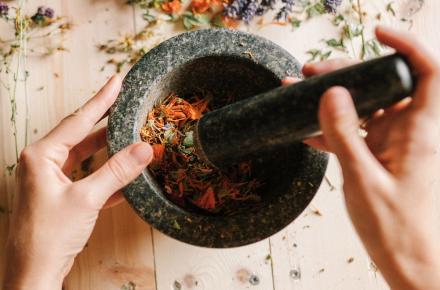
Customized herbal formulations are prescribed based on individual constitution and symptoms. Commonly used herbs may include:
• Ashoka for menstrual regulation
• Shatavari for reproductive nourishment
• Guduchi for immunity and inflammation control
• Triphala for digestive support
• Cinnamon and fenugreek for insulin balance
These herbs work gradually to support endocrine health without causing harmful side effects.
3. Diet Planning for PCOS
Food is considered medicine in Ayurveda. Women with PCOS are usually advised to follow a warm, light, and metabolism-boosting diet. Processed foods, refined sugar, and excessive dairy are minimized. Emphasis is placed on whole grains, fresh vegetables, herbal teas, and easily digestible meals.
4. Lifestyle & Routine Correction
Irregular sleep patterns and chronic stress significantly affect hormones. Ayurveda encourages:
• Fixed sleep and wake-up timing
• Daily physical activity like yoga or brisk walking
• Stress-reducing practices such as meditation
• Abhyanga (oil massage) to balance Vata
• Breathing exercises to calm the nervous system
Consistency in routine is key to restoring hormonal harmony.
Benefits of Ayurvedic PCOS Management
• Improved menstrual regularity
• Better insulin sensitivity
• Gradual and sustainable weight management
• Reduced acne and hair fall
• Enhanced fertility potential
• Improved emotional wellbeing
Unlike quick hormonal suppressants, Ayurvedic care supports the body’s natural rhythm and strengthens long-term reproductive health.
A Holistic Path to Women’s Wellness
PCOS is not just a hormonal issue — it is a lifestyle disorder. Addressing stress, digestion, sleep, and metabolic health together creates lasting results. Ayurvedic treatment empowers women to understand their bodies and make sustainable changes rather than relying solely on temporary symptom control.
In 2026, more women are choosing natural, personalized healing approaches that prioritize balance over suppression. Through herbal support and mindful living, Ayurveda offers a gentle yet powerful path toward hormonal stability and overall wellbeing.
The latest information about shipping services and our promotions